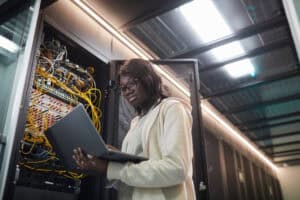






Trends and Innovations Driving Sustainable IT Networks
Updated on 09.10.2025
As the global focus on sustainability intensifies, the IT industry finds itself at a critical juncture. Sustainable IT networks are no longer merely a corporate social responsibility (CSR) initiative; they are becoming essential for business longevity, regulatory compliance, and operational efficiency. This article explores the latest trends and innovations reshaping the landscape of sustainable IT and how emerging technologies are paving the way for greener, more sustainable IT networks.
The Rise of Green Data Centres
One of the most significant trends in sustainable IT is the transformation of data centres. Traditionally, data centres have been substantial consumers of energy, contributing significantly to carbon emissions. However, the push towards sustainability has led to the emergence of green data centres. These facilities are designed with energy efficiency in mind, leveraging advanced cooling technologies, renewable energy sources, and optimised power usage effectiveness (PUE) to reduce their carbon footprint.
For example, companies like Google and Microsoft are leading the way by powering their data centres with renewable energy. Google’s data centres are now operating on 100% renewable energy, and Microsoft has pledged to be carbon negative by 2030. These initiatives not only reduce environmental impact but also offer long-term cost savings, aligning with business goals of efficiency and sustainability.
Advancements in Virtualisation and Cloud Computing
Virtualisation and cloud computing are revolutionising the IT landscape by enabling more efficient use of resources. By virtualising servers, storage, and networks, businesses can significantly reduce the physical infrastructure needed, leading to lower energy consumption and reduced waste. Cloud providers like Amazon Web Services (AWS), Microsoft Azure, and Google Cloud are at the forefront of this shift, offering scalable, energy-efficient solutions that allow businesses to use only the resources they need, when they need them.
The shift from on-premises data centres to cloud services not only reduces environmental impact but also enhances operational flexibility and scalability. Moreover, the adoption of multi-cloud and hybrid cloud strategies enables organisations to optimise their workloads across different environments, further improving efficiency and sustainability.
Energy-Efficient Networking Technologies
Networking technology has also seen significant advancements aimed at improving energy efficiency. Technologies such as Software-Defined Networking (SDN) and Network Function Virtualisation (NFV) allow for more intelligent and dynamic network management, which can reduce energy consumption by optimising the use of network resources.
Moreover, innovations in hardware, such as energy-efficient routers and switches, are reducing the power required to operate large networks. Companies are increasingly adopting these technologies to not only lower their carbon footprint but also to benefit from reduced operational costs.
The Impact of 5G on Sustainable IT Networks
The rollout of 5G networks is another major development that holds promise for sustainable IT networks. 5G technology offers enhanced speed, latency, and connectivity, which can lead to more efficient use of resources in various industries. For instance, 5G enables the development of smart cities, where connected devices and sensors optimise energy use, reduce waste, and improve overall sustainability.
In the UK, the implementation of 5G in industries such as manufacturing and transportation has shown potential for significant energy savings and reduced emissions. For example, the use of 5G in smart grid systems allows for better management of electricity distribution, reducing energy waste and enhancing the reliability of renewable energy sources.
The Role of AI and Machine Learning in Sustainability
Artificial Intelligence (AI) and Machine Learning (ML) are playing increasingly important roles in driving sustainability in IT networks. These technologies enable the automation and optimisation of network operations, leading to more efficient use of resources. AI-powered analytics can predict and manage network traffic, reducing the need for excess capacity and minimising energy consumption.
Furthermore, AI and ML are being used to develop predictive maintenance models that reduce downtime and extend the lifespan of network hardware, further contributing to sustainability goals. By leveraging AI and ML, businesses can achieve higher levels of efficiency, reduce operational costs, and contribute to a greener future.
Sustainable IT Supply Chain Management
Sustainability in IT networks is not just about the infrastructure but also about the supply chain. Companies are increasingly focusing on sustainable sourcing of materials, reducing e-waste, and ensuring that their IT hardware is produced in an environmentally responsible manner. This includes the use of recycled materials, energy-efficient manufacturing processes, and responsible disposal of old equipment.
For example, Dell Technologies has committed to using recycled materials in all its products by 2030, and HP has introduced a range of eco-friendly printers and computers. These initiatives not only reduce the environmental impact of IT hardware but also enhance the brand’s reputation and align with consumer demand for sustainable products.
Corporate Social Responsibility and Regulatory Compliance
As governments and regulatory bodies impose stricter environmental regulations, businesses must ensure that their IT networks comply with these standards. Sustainability is no longer just a competitive advantage but a legal requirement in many regions. Companies that fail to meet these standards may face fines, legal action, and reputational damage.
In the UK, the government’s commitment to achieving net-zero emissions by 2050 has led to increased pressure on businesses to adopt sustainable practices. IT networks, being a significant part of the infrastructure, are under scrutiny, and businesses are investing in green technologies to ensure compliance and avoid potential penalties.
Future Outlook and Potential Innovations
Looking ahead, the future of sustainable IT networks will be shaped by continuous innovation and technological advancements. The development of new energy-efficient technologies, the increasing use of renewable energy, and the growing importance of AI and machine learning will drive further improvements in sustainability.
Moreover, as businesses become more aware of the economic and environmental benefits of sustainable IT networks, we can expect to see greater adoption of green practices across industries. Companies that embrace these trends will not only contribute to a more sustainable future but also position themselves as leaders in an increasingly competitive market.
Conclusion
The transformation of IT networks towards sustainability is no longer an option but a necessity. As businesses face increasing pressure from consumers, regulators, and stakeholders to reduce their environmental impact, the adoption of sustainable IT practices is becoming essential for long-term success. By embracing the latest trends and innovations, businesses can build IT networks that are not only more sustainable but also more efficient, scalable, and resilient, paving the way for a greener future.
Our Approach
We pride ourselves on being vendor-agnostic, inquisitive and technically led. Our expert engineers will get to the heart of your pain point by applying the smart principles of audit and discovery. By listening, studying and assessing, we can tell you where you are, and where you need to be. We’re also first-rate project managers. But first and foremost, we lead on our technical expertise. We devise bespoke solutions rather than sell hardware.
For more information about our capabilities, get in touch today.
Other Articles You May Like...
The latest blogs from Opticore
View All Blog Articles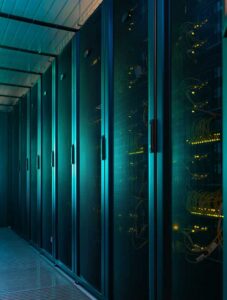
28.10.2026
Ekahau, Sidekick and Spectrum Analysis: The Tools Behind a Professional WiFi Survey

28.10.2026
Network Documentation: Why Auditors, Insurers and Acquirers All Ask for It

28.10.2026
What to Look for in a Wireless Survey Report: Heatmaps, Findings and Red Flags
28.10.2026
Ekahau, Sidekick and Spectrum Analysis: The Tools Behind a Professional WiFi Survey
Read Article28.10.2026
What to Look for in a Wireless Survey Report: Heatmaps, Findings and Red Flags
Read Article
28.10.2026